









Effective field service operations depend on the combination of skilled teams, smart planning and modern tools that keep technicians connected and informed. As the demand increases, organisations need such a reliable system that strengthens field service operations management and supports better workflows in the field.
There are several features like mobile support, GPS tracking, cloud documentation and more that improve daily tasks. Also, help management get real-time updates about the field workers’ arrival and leave times in a single platform.
In this guide, you will learn about proven methods on how to streamline field operations, along with strategies and tools to optimise field service operations so your organisation can deliver the best service every time.
Key Takeaways
- Modern mobile apps keep teams connected with real-time updates, alerts and accurate asset information across all field service operations.
- Customer feedback becomes more actionable with automated reports, notifications, and digital tracking, strengthening overall field service operations management.
- Digital checklists, maintenance schedules, and calibration tools reduce mistakes and keep equipment compliant, helping teams manage field service work easily.
- GPS tracking and geofencing improve routing efficiency, reduce travel time, and support timely job completion.
- Cloud documentation replaces paperwork, ensuring secure, accessible, and always-updated records.
- Role-based access and user activity tracking help maintain safety standards and support targeted training.
- Better inventory visibility ensures technicians carry the right parts, boosting first-time fix rates and customer satisfaction.
1. Modernising Field Service with Connected Mobile Apps
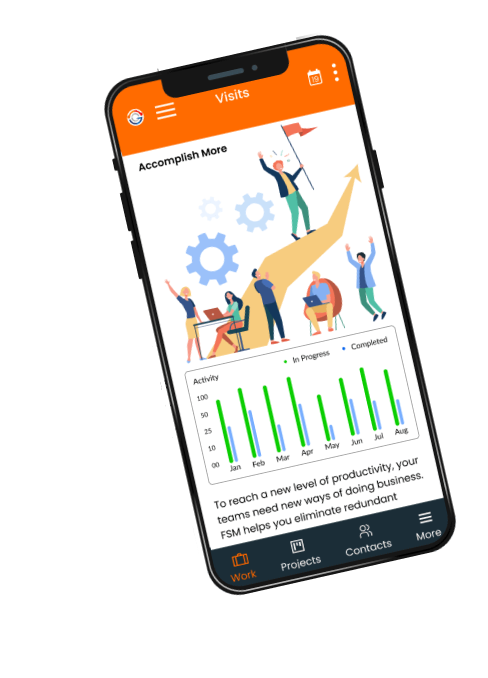
Field service operations mean that teams are constantly working, so mobile apps help maintain a bridge for fast and clear communication between them. These tools give real-time updates and make sure everyone is updated with information, which reduces the chance of delays.
Modern dispatch applications prevent miscommunications by syncing directly with smartphones or tablets, creating a centralised hub that is accessible from any location. Better communications lead to better customer experience and fewer errors as compared with the old methods like phone chains.
Also, with push notification feature of the mobile tool helps by giving urgent updates, schedule changes, and safety alerts to reach all employees, ensuring timely action is taken and employee safety.
With features like mobile barcode scanning, real-time alerts, which further support on-the-go accuracy, and allow teams to view their assets’ status, reservation and more from their smartphones.
2. Putting Customer Feedback at the Centre of Daily Work
Sometimes customers find the problem that is missed by employees, and they give detailed information about that problem and what needs to be improved. Take their feedback as input and align the service with their expectations.
Feedback is not only the complaints, but it’s a way to improve your field service operations. The goal is to build a system that can gather and act on what customers have shared:
- Track online reviews for patterns and issues.
- Use post post-service survey for quick reactions.
Responding quickly improves trust and reduces service gaps. This strengthens customer relationships and lets your team be responsive and adaptive.
With customisable reporting, automated notifications and digital service tracking, you can convert customer comments into actionable improvements. These tools help management to identify issues, update tasks in real time.
3. Digital checklist for On-Site Accuracy
Mistakes often occur when important steps are missed under pressure. A structured digital checklist ensures nothing is missed or overlooked during fast-paced service calls.
For example, an HVAC checklist involves confirming the thermostat setting, checking ductwork for leaks, and recording the refrigerant level. A plumbing team might check the water pressure consistency before finishing.
Keeping the task organised digitally and accessible on mobile devices helps teams boost efficiency and reduce mistakes.
When paired with maintenance scheduling, digital service tickets, and calibration tracking, technicians follow a defined process every time. These tools or features ensure every step is logged, equipment stays compliant, and service history remains accurate, which is perfect for applying technician productivity improvement tips.
4. Route Optimisation with GPS Tracking
Effective field service operations depend on smart time management, and planning the best route is a major part of it. When teams follow well-planned routes, they save fuel, time, reduce wear on the vehicle and complete more tasks.
Modern route optimisation tools use GPS tracking with live traffic updates to guide technicians through the quickest and fastest routes.
Features like geofencing, real-time asset location, and automated arrival notifications help managers to monitor when staff reach or leave a job site.
5. Replace Paperwork with Cloud Documentation
Cloud-based documentation is changing how field teams manage information by replacing the need for paperwork to manage files. Cloud documentation helps to store invoices, contracts, inspection reports, and job details.
It keeps all information online in an organised manner so that authorised persons can access it from anywhere.
A person can update records, add notes, or mark tasks completed remotely without the need to visit physically. As everything syncs automatically so the delay caused by paperwork will go away, and teams will stay more productive. With secure cloud hosting, automatic backups, and data restoration, your records will remain safe and up to date.
Also Read: Benefits of Field Service Management Software
6. Strengthening Teams with Targeted Training
Field workers perform well when they are supported professionally. With focus training programmes, help them to build practical knowledge, boost confidence and sharpen their problem-solving skills. For example, the pest control team can benefit from training in safe chemical handling and modern treatment methods, while electricians gain from courses like smart home technology and more.
Organisations that focus on employees’ skills gain huge operational success in terms of productivity and maximise ROI. Features like role-based access control, user activity tracking, and secure login management help to ensure employees only access tools best suited to their training, which reduces errors and maintains proper safety standards.
7. Improving First-Time Fix Rates with Better Inventory Management
A large part of field service efficiency depends on technicians having the right tools and parts before they reach the job site. Digital inventory systems help track stock levels, highlight items that need restocking, and flag shortages early.
With access to real-time part availability, technicians can plan their visits properly and avoid unnecessary return trips. This improves first-time fix rates and reduces both travel time and fuel usage.
It also means customers get their issues resolved in one visit, leading to faster service and higher satisfaction. Better inventory visibility keeps operations organised and prevents delays caused by missing parts.
Conclusion
Overall, field service operations can become more reliable, effective with the help of modern tools. When organisations invest in better systems that offer and implement the above-mentioned strategies and features helps to gain clarity and resources needed to work and operate safely.
With ongoing training and well-structured processes, businesses create stronger teams and deliver better service.
At Genic Teams, we’ll provide you best system with all the features you are looking to optimise your field service operations and achieve efficiency.