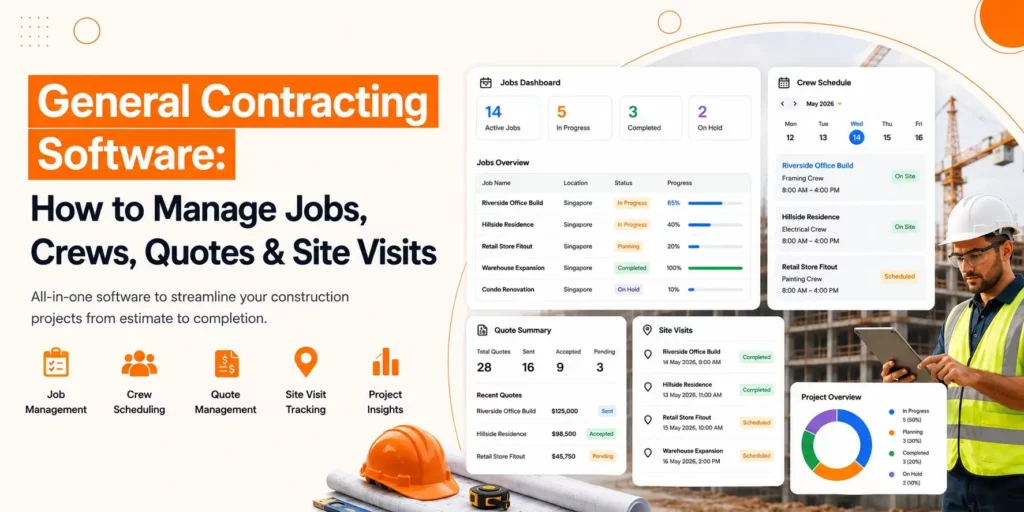











Finding the best HVAC service management software is important for running a smooth and efficient operation. As technicians are constantly on the move and customer expectations are rising, you need such a system that connects every part of your business, from scheduling and job management to invoicing and more.
Modern HVAC FSM software offers more than basic dispatch tools as they act as a central hub which improves communication, boosts productivity and helps teams deliver a more reliable service.
In this guide, you’ll find the must-have features that truly make a difference and help you choose a solution that is best for your business needs. The right HVAC service management software not only simplifies daily tasks but also supports long-term growth by giving you better visibility across jobs, inventory, customers and financials.
1. Mobile Supported Technician Application
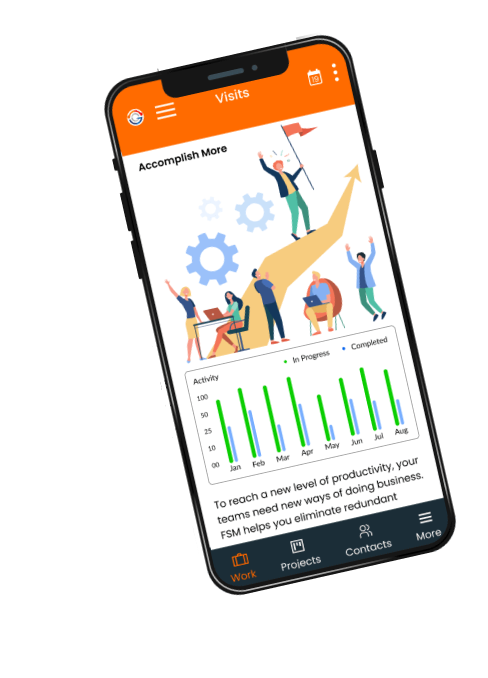
Technicians spend most of their day in the field, so easy mobile access is important. A strong mobile app gives them everything they need on their phone or tablet, like job details, customer history, and service manuals, which removes the need for paperwork and helps them to arrive prepared.
Mobile App must work in offline especially in basements or remote areas with weak signal. With an offline-ready app, the technicians can view jobs, update work orders and add pictures without connectivity.
A HVAC technician scheduling software must add full access to job details and customer history, digital forms and checklists, electronic signatures and tools for communicating with customers
2. Inventory and Part Management
A strong inventory control prevents delays from missing parts and saves money from being spent in excess amounts. A field service software for HVAC must track parts across all locations like warehouses, service vehicles and technicians’ trucks with real-time live locations.
Automated reorder alerts help to ensure essential components stay in stock, especially during busy seasons when supply chain issues are common.
Mobile inventory tools allow technicians to check availability, reserve parts for upcoming jobs and update stock immediately after use. This real-time syncing avoids double booking and gives purchasing teams accurate data.
This feature must include multi-location inventory tracking, real-time stock visibility with automated reorder alerts and serial number and warranty tracking.
3. Integration Capabilities
Modern HVAC companies use several kinds of HVAC service management systems, so it’s important for the field service management mobile app to integrate smoothly with them. With strong integration capabilities, it prevents double data entry and keeps the information consistent everywhere.
The system must integrate with accounting software and let invoices, payments and expenses sync automatically, which makes bookkeeping easier and more accurate.
So, these integrations create a unified tech setup which improves efficiency and accuracy across the business.
4. Well Connected Customer Relationship System
A customer relationship management system keeps all customer and service information in one place, which helps your team have a clear view of every interaction. It stores contact details, property and equipment information, service agreement and communication history, which helps you deliver more personalised service.
This reduces workload on the admin and improves satisfaction by making information easy to find. A HVAC service management software helps you maintain everything from installation, warranty details, to servicing and repairs.
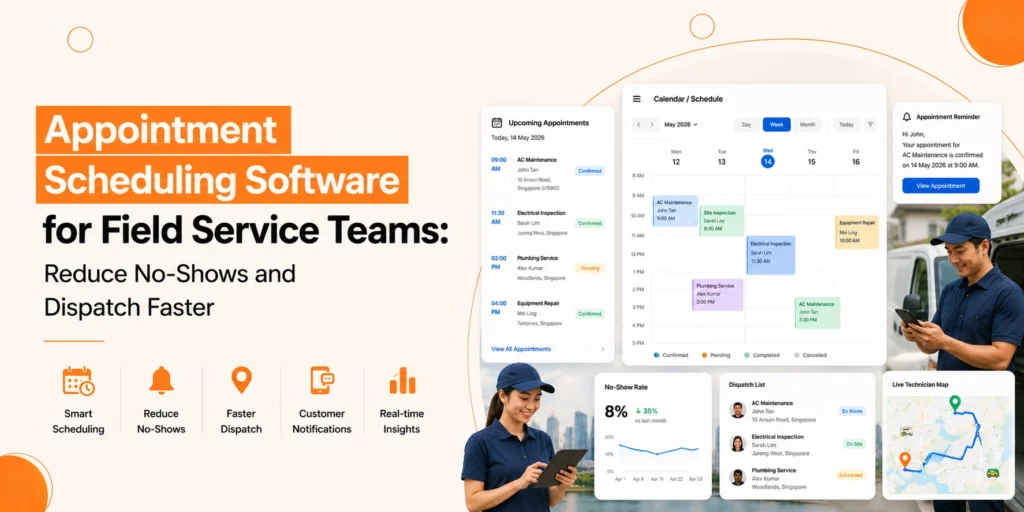
5. Scheduling and Dispatch Optimisation
Smart scheduling is important for keeping HVAC operations efficient, especially when demand is high. Modern HVAC service management software should match jobs with the best technicians by considering their skills, location, availability and urgency of each task.
The systems can automatically assign jobs, cut travel time, speed up responses and increase the number of daily service visits.
Best HVAC platforms offer easy and simple scheduling so dispatchers can quickly adjust appointments when emergencies happen or jobs take longer than planned. They also need a clear overview of technician locations, job progress and upcoming tasks.
6. Quote and Estimate Generation
Efficient and accurate quotes help HVAC businesses get more profit. The best HVAC field service software makes it easy to create estimates using standard pricing for services, equipment and labour while it allows flexibility for unique jobs.
Using existing templates keeps quotes consistent and reduces the time it takes to respond to customers, helping improve conversion rates.
Sending quotes digitally with electronic approval speeds up the entire process by removing the need for printing or manual signatures.
This quote tracking feature defines which estimates are waiting, approved or declined, which makes follow-ups more efficient. Once a quote is approved, it is converted into a work order with one click, which avoids re-entering information and ensures all project details move smoothly from sales to operations.
7. Scalability and Customisation
As your HVAC business grows, your HVAC service management system must grow with it. The system should handle rising numbers of technicians, customers and service requests without slowing down or requiring costly upgrades.
Cloud-based platforms make this easier by providing flexible capacity, which allows you to expand into new regions and add more users without extra hardware. Strong customisation ensures the software fits your operations rather than forcing you to change how you work.
Custom fields, forms and workflows allow you to match the system to your own processes, support compliance requirements and maintain consistent job handling across your entire team.
8. Invoicing and Payment Processing
Automated invoicing ensures a fast cash flow by removing the delay between completing a job and sending the bill. A reliable HVAC service management platform generates invoices instantly when a work order is closed by automatically pulling in labour, parts, taxes and maintenance items, so there’s no need for manual entry.
With built-in payment tools, technicians can collect payment on-site using a card, mobile app or digital wallet. This speeds up collection, reduces ageing receivables and gives customers a smoother experience.
Automated reminders and recurring billing for service contracts also help keep revenue predictable, allowing your team to focus on service instead of chasing payments.
9. Advanced Reporting and Analytics
Strong analytics give HVAC businesses the clarity they need to make better decisions. A modern field service management platform should provide real-time dashboards and customisable reports that track technician performance, job completion times, revenue, customer trends and equipment health.
These insights help you identify bottlenecks, reduce operational costs and improve service quality. Automated reports delivered to managers keep everyone aligned and make it easier to forecast busy seasons, plan staffing and optimise inventory.
This feature must include real-time performance tracking, custom reports, automated insights and forecasting tools.
10. Time Tracking and Labour Management
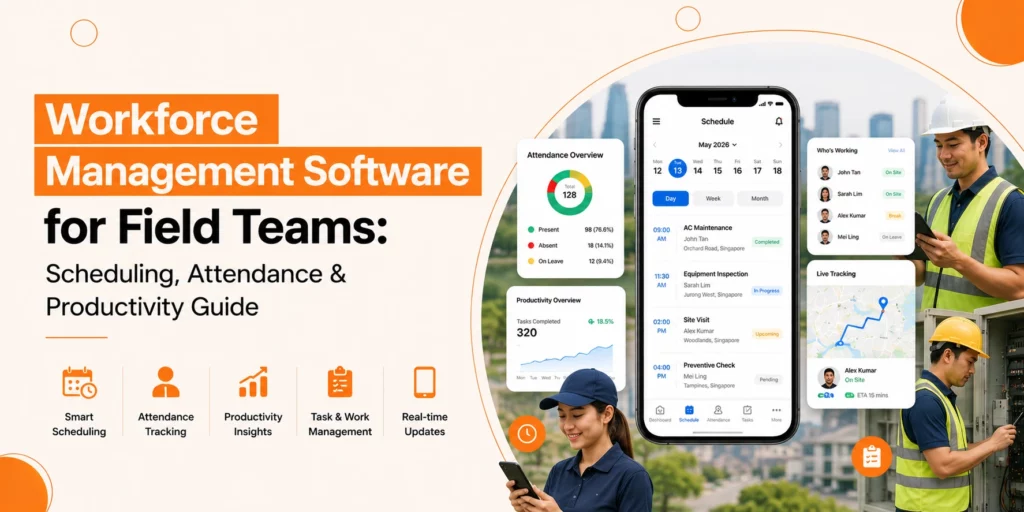
Accurate time tracking helps HVAC businesses understand true labour costs and improve job profitability. A strong field service management system should let technicians clock in and out, log travel time and record time spent on each task directly from their mobile app.
Real-time labour data ensures invoices are accurate, prevents under- or over-billing and gives managers a clear picture of technician efficiency. Integrating time logs with payroll and job costing also reduces manual admin work and keeps records consistent across the business.
This feature must include mobile time tracking, task-level labour logs, automated payroll syncing and real-time visibility for managers.
Conclusion
A strong HVAC FSM system brings every part of your operation into one connected platform, helping teams work faster, communicate clearly and deliver a better customer experience.
With the right combination of features like mobile tools, automation, integrations and real-time insights, your business can handle higher workloads without adding unnecessary admin.
The HVAC service management software not only improves day-to-day efficiency but also creates a foundation for sustainable growth, better decision-making and long-lasting customer relationships.
By investing in a well-defined, scalable solution, HVAC companies can stay competitive, reduce operational costs and ensure technicians have everything they need to complete each job to the highest standard.