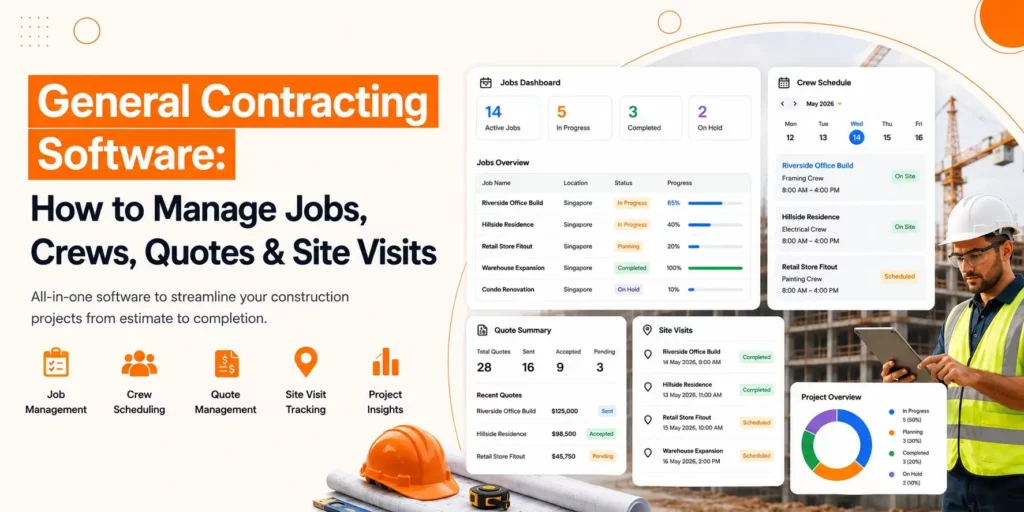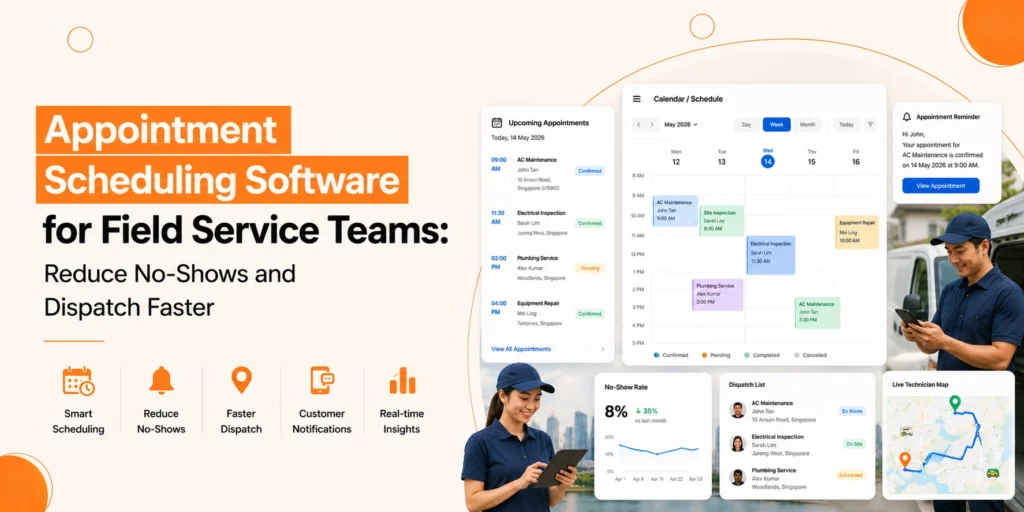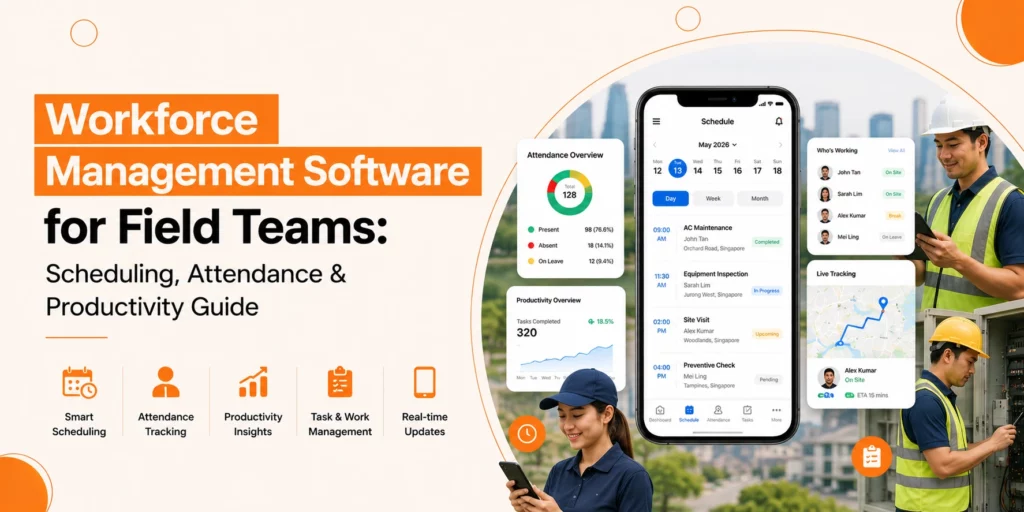












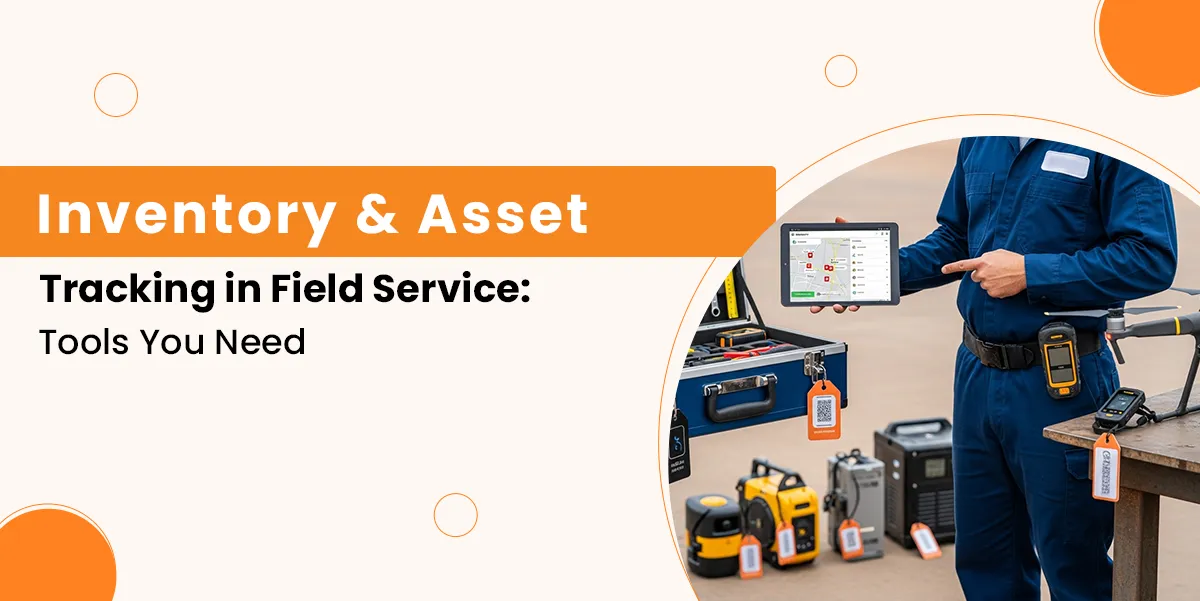
The success of field service operations depends on more than just having trained technicians who can perform their duties. Organisations can achieve their project deadlines through their parts and assets tracking systems, which enable them to maintain financial control and deliver excellent customer service. Organisations in Singapore have begun to use work order tracking systems, which enable them to monitor their service requirements while managing their inventory and improving their operational activities in the field.
The digital systems that track assets and inventory enable technicians to work efficiently while managers obtain full resource visibility. The work order system in Singapore connects with Inventory Management Software to help businesses improve their operational efficiency through loss reduction and customer service quality enhancement.
The guide provides information about essential tools that field service teams need to monitor their inventory and assets while explaining their advantages and essential requirements.
Why Inventory and Asset Tracking Matter
Field service teams require the correct tools and parts for them to finish their assigned work tasks. The failure of teams to monitor their equipment and parts inventory will lead to project delays and rising expenses, which will produce negative results for their customers.
A work order tracking system provides documentation for all service requests, which include everything from minor maintenance work to extensive installation projects. Field service teams benefit from real-time parts tracking, which enables them to find components quickly, so they spend less time searching for parts.
Inventory Management Software enables Singapore businesses to track their stock inventory, while it also performs asset tracking and tool management for their technicians.
Businesses that implement these systems will have better operational workflows that protect their assets and create more efficient business operations.
Business operations become more efficient through these systems, which defend all company assets and protect every organisational function.
Key Tools for Field Service Inventory Management
Work Order Tracking System
A work order tracking system works as the main support system, which enables field service management operations. Service requests receive complete tracking through this system, which assigns them while tracking their progress.
- Job Assignment: Managers use the system to assign work to technicians by matching their skills with their physical location and their current schedule openings.
- Status Updates: Technicians provide instant updates about their work progress, which enables managers to track all completed tasks.
- Resource Planning: The system connects with inventory management systems to provide technicians with access to required tools and parts during their work assignments.
A proper system reduces delays and ensures timely service delivery.
Inventory Management Software in Singapore
Inventory Management Software in Singapore allows companies to maintain precise records about their materials, tools, and spare parts inventory.
- Stock Visibility: The system shows the current stock numbers that exist between all operational locations.
- Order Management: The system sends automatic alerts that let users know when they should purchase additional parts.
- Data Analytics: Reports on usage trends, costs, and asset allocation help optimise operations.
Technicians working in the field can access this software because it provides them with the necessary parts to complete their work.
Utility Tracking Software
Utility tracking software tracks all tools, vehicles, and equipment usage through job execution.
- Prevent Overuse: The system monitors tool usage frequency, which helps prevent equipment failures.
- Maintenance Scheduling: The system sends managers notifications about upcoming maintenance requirements for their equipment.
- Cost Management: Business organisations can lower their expenses through this system.
Work order tracking systems link with utility tracking systems to help organisations track their assets and improve technician performance.
Real-Time Parts Tracking for Field Service
Real-time parts tracking for field service helps teams locate components instantly.
- Barcode or RFID Tracking: Scan items to update inventory automatically.
- Mobile Access: Technicians can check stock availability from smartphones or tablets.
- Job Efficiency: Ensures the right part is on hand for every task.
Real-time tracking reduces downtime and ensures jobs are completed on schedule.
Asset Tracking Tools for Technicians
Field technicians need asset tracking tools for technicians to manage equipment and tools effectively.
- Asset Assignment: Assign equipment to specific technicians for accountability.
- Maintenance Alerts: Track repairs, inspections, and service history.
- GPS Integration: Monitor the location of high-value assets in the field.
These tools help technicians stay organised, and managers maintain control over all assets.
Inventory Software for FSM Teams
Inventory software for FSM teams integrates with daily operations to track parts, tools, and work orders.
- Centralised Database: All inventory and assets are recorded in a single system.
- Audit Trails: Track who used what and when to prevent losses.
- Reporting: Generate insights on usage trends, costs, and resource allocation.
Using inventory software ensures efficient stock management and smooth field service operations.
Benefits of Using Inventory and Asset Tracking Tools
Increase Operational Efficiency
Digital tracking systems for tools and parts help reduce wasted time while providing technicians with proper resources, which leads to on-time job completion.
Reduce Costs
Companies can stop their products from becoming too expensive while they prevent their tools from disappearing through correct inventory monitoring and usage tracking.
Improve Customer Satisfaction
Organisations need to finish their work on schedule while providing the correct equipment to establish customer trust, which leads to better customer satisfaction.
Enhance Compliance and Reporting
Businesses can fulfill their regulatory requirements while generating precise reports through automated records, which audit trails provide.
Support Decision-Making
Tracking tools through analytics help managers decide how to distribute resources and which items to buy and where to make operational changes.
How to Choose the Right Tools
Selecting the right tools for field service inventory and asset management is crucial for smooth operations. Companies need to carefully evaluate their needs, integration options, and scalability to ensure maximum efficiency.
Evaluate Your Business Needs
Teams require evaluation of their operational activities, together with their staff availability and their necessary asset tracking requirements. Organisations must identify their operational needs before they can select proper tools that support their business activities.
Businesses that operate multiple service locations and maintain valuable equipment need systems that provide complete asset tracking together with inventory management solutions that work as one system.
Look for Integration
The work order system requires support for utility tracking and management functions to operate with Singapore-based Inventory Management Software.
Organisations can link their systems together to allow platforms to exchange data, which eliminates manual data entry and produces error-free operations while giving full access to resources during live monitoring.
Focus on Real-Time Access
Organisations need to pick systems that provide immediate access to information for their technicians and management staff.
The system enables technicians to view their current stock levels through their mobile devices while they monitor their work progress and send maintenance problem reports.
Operations monitoring becomes possible for managers through remote access, which enables them to monitor work schedules and resource allocation needs.
Check Reporting Capabilities
The system you select needs to generate reports that show both stock availability and asset operation details, and service technician performance metrics.
Organisations need reports to access data, which helps them make decisions, control their spending, and improve their allocation of resources.
Consider Scalability
Your business requires software that will expand its capabilities when you need it to. You can expand your team and inventory through scalable solutions that let you add assets and users without changing your existing systems.
Organisations need to review these guidelines because they will choose operational tools that boost their process efficiency while lowering their error rates and supporting their future business expansion.
Also Read: Quick Guide on Work Order Management Software
Common Challenges in Inventory & Asset Management
Managing inventory and assets in field service operations comes with several challenges. Understanding these obstacles will help your business to take appropriate action to improve efficiency.
Manual Tracking Errors
The use of paper-based logs and spreadsheets leads to multiple errors that appear in tracking systems. The process of recording errors and lost data, together with wrong information entries, will create time delays that result in wasted working hours.
The operational process experiences delays because technicians arrive at their work sites without bringing the necessary equipment.
Delayed Updates
The absence of real-time tracking systems creates a situation where managers and technicians remain unsure about the current inventory stock levels.
The system creates situations where essential parts and tools become unavailable for work, which results in delayed projects and dissatisfied clients.
Loss or Theft
The equipment and inventory that operate without monitoring systems face an increased risk of being lost or stolen.
The disappearance of valuable tools, vehicles, and parts leads to rising expenses and decreased operational performance.
Poor Reporting
The limited amount of data creates difficulties for people to base their decisions on proper information. Organisations encounter difficulties when they attempt to distribute their resources between maintenance planning and maintenance scheduling.
The implementation of digital solutions through work order systems and inventory software helps FSM teams solve their existing problems. The system provides real-time updates together with automated record keeping and data analytics, which enhances operational accuracy to prevent losses and enables managers to make superior decisions while providing effective support to their field technicians.
Also Read: Work Order Management: Comprehensive Guide for Service Businesses
Best Practices for Field Service Inventory Tracking
Proper inventory management is essential for efficient field service operations. Implementing the right practices ensures that assets and parts are always available and well-maintained.
Centralise All Data
You need to monitor your inventory together with asset tracking and work order progress through a single unified platform.
The process of data centralisation helps organisations reduce errors because it eliminates duplicate data entry and provides managers with complete visibility of resource allocation throughout their operational network of sites.
Assign Assets to Technicians
Assign tools and equipment to specific technicians. The system tracks all equipment, which stops theft and stops people from using items they should not have access to, while technicians get the proper tools for their tasks.
Use Real-Time Tracking
The system needs mobile updates to support its inventory and asset management capabilities.
The system maintains precise stock information through real-time tracking, which helps technicians find parts fast so they can finish their work more quickly.
Schedule Maintenance
Regular maintenance work, together with service procedures, helps you preserve your equipment and tools.
The planned maintenance schedule stops sudden equipment failures while it extends the operational period of assets and maintains complete safety for all field-based operational equipment.
Monitor Usage Patterns
Track usage data and generate reports on asset consumption. Analytics help businesses optimise their inventory distribution and reduce unnecessary costs, which leads to better operational efficiency.
Conclusion
Field service success depends on organisations that effectively manage their inventory and assets in an efficient manner. A work order tracking system enables businesses to distribute work assignments and track ongoing tasks until they reach their scheduled completion date.
Businesses in Singapore can track their parts, assets, and resources through their utility tracking software, which connects with their Inventory Management Software system.
Organisations can enhance their operational performance through field service parts tracking and asset tracking systems, which technicians and FSM teams use for inventory management that reduces their operational costs and generates improved customer service results.
Organisations that purchase these tools will gain operational control, which allows them to make better decisions while maintaining their position in the market. A business that operates through field service needs to establish a proper system because it functions as a basic operational need for its entire business.